


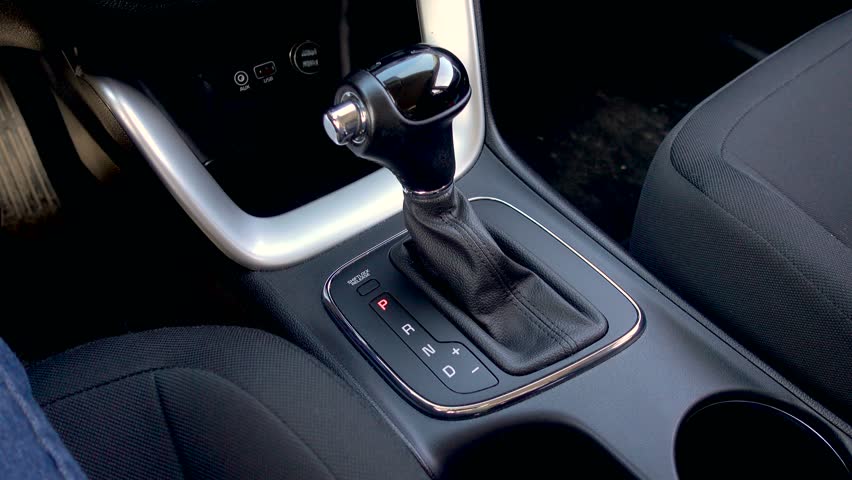
Learning to drive is a big step in life. It gives you freedom, confidence, and more opportunities. If you live in Milton Keynes and want to start driving, automatic driving lessons can be a great choice. Many new learners prefer automatic because it feels more relaxed, simple, and easier to control. This guide will help you understand everything before you book your lessons.
You will learn how automatic lessons work, who they are good for, how long you may need to learn, what to expect in each lesson, local test routes, and common questions from learners in Milton Keynes.
This guide is written in clear and simple language to support new students, parents, and anyone looking for the right place to start.
What Are Automatic Driving Lessons?
Automatic cars do not have a clutch pedal. You do not need to change gears. The car selects gears for you. This makes the driving experience smoother and easier for many learners.
In a manual car, you must press the clutch, pick the right gear, and release the clutch slowly. In an automatic car, you only use the accelerator and brake. This allows you to focus more on the road.
Automatic is especially helpful for learners who feel stressed with gear changes, want a calmer experience, or prefer to learn at a comfortable pace.
Who Should Choose Automatic Lessons?
Automatic is suitable for:
- Complete beginners who want a simple start.
- Learners who find clutch control challenging.
- People who feel nervous when driving.
- Learners who want to focus more on road awareness.
- Busy professionals who want quicker progress.
- Students preparing for their driving test soon.
Milton Keynes has many roundabouts, grid roads, and fast-moving traffic. Automatic cars help new drivers stay relaxed while learning how to handle these road features.
Benefits of Automatic Driving Lessons in Milton Keynes
Milton Keynes is designed with roundabouts, dual carriageways, and long grid roads. For new learners, this can feel overwhelming. Automatic cars remove some of the stress and help you focus on decision-making.
Key Benefits
- Faster progress because you do not need to learn gear changes.
- More confidence on roundabouts and busy junctions.
- Easier control when you join or leave dual carriageways like H6, H8, or V6.
- Less stalling, which removes fear for many new learners.
- Smoother experience in stop-and-go traffic.
- Ideal for learners who want to pass their test sooner.
How Many Automatic Lessons Do You Need?
The number of lessons depends on your learning speed, confidence, age, and experience. Below is a simple table that helps explain what most learners need.
Estimated Lesson Requirements
| Learner Type | Confidence Level | Driving Experience | Expected Lessons |
| Complete beginner | Low | None | 35 to 45 hours |
| Beginner with confidence | Medium | None | 25 to 35 hours |
| Learner with previous practice | Medium | Some | 15 to 25 hours |
| Experienced learner switching from manual | High | Good | 10 to 15 hours |
These numbers are not guaranteed. Every learner is different. Some may learn faster. Some may need more time. The aim is to build safe and confident driving skills.
What to Expect in Your Automatic Driving Lessons
Below is a detailed breakdown of what normally happens during your learning journey.
1. First Lesson
Your instructor will teach you:
- How an automatic car works
- How to adjust your mirrors and seat
- How to use the accelerator and brake
- How to move off and stop safely
- How to steer smoothly
You will drive in a quiet area of Milton Keynes so you can learn without stress.
2. Beginner Stage
Once you are confident, you will learn:
- Road positioning
- Speed control
- Basic junctions
- Roundabout entry and exit
- Simple right and left turns
Milton Keynes has many roundabouts, so you will get good practice early on.
3. Intermediate Stage
Your instructor will take you to slightly busier roads:
- H roads and V roads
- Dual carriageway joining and exiting
- Multi-lane roundabouts
- Lane discipline
- Mirror use and signalling
You also start to practise driving at different times of the day.
4. Advanced Stage
This includes:
- Complex roundabouts
- Busy traffic situations
- Overtaking rules
- Independent driving practice
- Mock tests to prepare for the real test
Your instructor will guide you step-by-step to help you feel fully ready.
Understanding Milton Keynes Driving Test Routes
Driving tests in Milton Keynes often cover:
- H3, H6, H7, H8, or H9 grid roads
- Large multi-lane roundabouts
- Residential areas near Bletchley, Shenley, or Westcroft
- Dual carriageways
- Speed limit changes
Automatic cars make these areas easier to manage because you are not distracted by gear changes.
Common Challenges Learners Face in Milton Keynes
Even with an automatic car, some areas need extra care. These include:
1. Large Roundabouts
Milton Keynes is known for its many roundabouts. Many beginners struggle with lane discipline. Automatic cars allow learners to focus on lane choice and traffic flow.
2. Dual Carriageways
You must join at the correct speed. Automatic transmission helps with smooth acceleration.
3. Lane Discipline
Some roundabouts have three or more lanes. Proper signalling and mirror checks are key.
4. Speed Limit Awareness
Many grid roads change from 40 to 60 mph. Automatic cars respond quickly, but learners must stay alert.
How Automatic Lessons Help You Pass Your Test
Your test examiner will check:
- Control of the vehicle
- Awareness and planning
- Safe decision making
- Correct responses at roundabouts
- Speed control
- Observation and signalling
Automatic lessons help you focus on these skills without worrying about gear mistakes.
Many learners pass faster in an automatic car because they spend more time practising real-life driving skills instead of gear control.
Common Questions About Automatic Driving Lessons
1. Is automatic easier than manual?
Yes. Most learners find automatic easier because there is no clutch or gear control.
2. Can I take my driving test in an automatic car?
Yes. You can take your driving test in an automatic car.
3. Can I drive a manual car if I pass in an automatic?
If you pass your test in an automatic, you can only drive automatic cars. If you want to drive manual cars later, you must take another test in a manual car.
4. Are automatic lessons faster to learn?
Most learners take fewer lessons in automatic because the controls are simple.
5. Are automatic cars good for Milton Keynes roads?
Yes. The city has many roundabouts and fast-moving roads. Automatic cars make it easier to stay relaxed and confident.
Tips to Improve Faster in Automatic Lessons
Here are simple tips that help learners progress:
- Practise your observations often.
- Stay calm before each lesson.
- Do not rush. Focus on one skill at a time.
- Ask your instructor questions.
- Review feedback after every lesson.
- Practise with a friend or family member if allowed and safe.
Final Thoughts
Automatic driving lessons are one of the best ways to start driving in Milton Keynes. The city layout, roundabouts, and fast traffic can intimidate new learners. Automatic cars help you build confidence faster. You do not have to worry about gears. You can focus on safety, awareness, and good driving habits.
With the right learning plan and steady practice, you can pass your test and become a confident driver.