


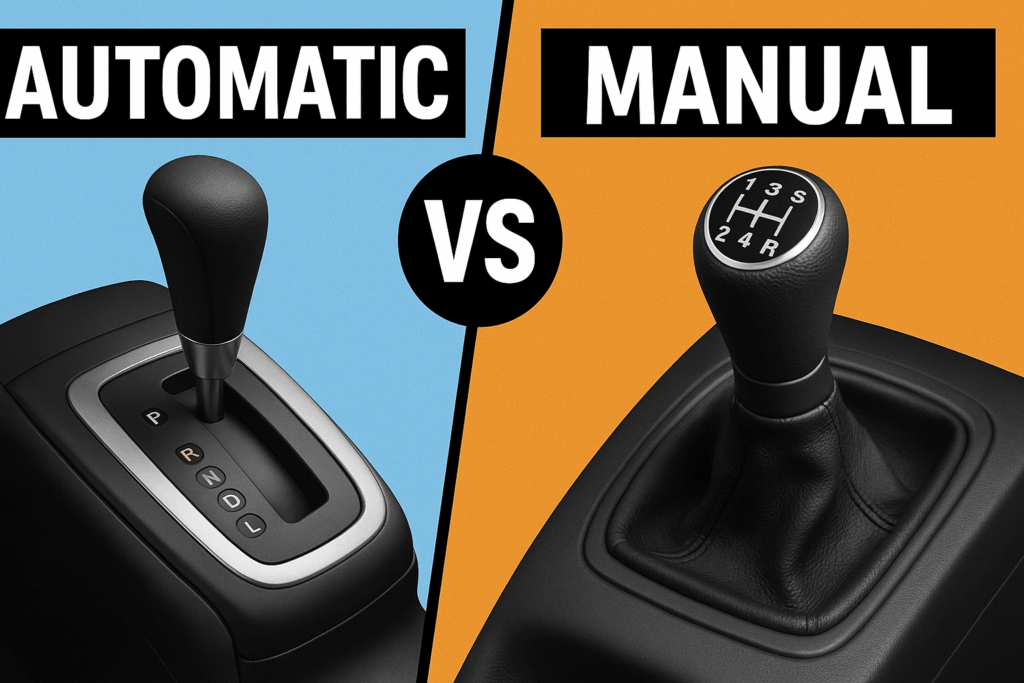
Choosing between an automatic or manual driving test in Milton Keynes is one of the most important decisions learners make at the start of their driving journey. In a city known for grid roads, large roundabouts, and changing speed limits, this choice can directly affect how confident and comfortable you feel during lessons and on test day.
Both test types follow the same official DVSA standards, but the way the vehicle is controlled is different. Understanding these differences helps learners choose the option that best suits their confidence, learning style, and long term driving plans.
This guide explains the key differences between automatic and manual driving tests in Milton Keynes, what each test involves, who each option is best for, and how your choice affects your licence after you pass.
Understanding the Difference Between Automatic and Manual Driving Tests
The structure of the driving test is the same for both automatic and manual cars. The main difference is how the vehicle is operated.
• Manual driving tests require clutch control and gear changes
• Automatic driving tests remove the need for a clutch and manual gears
Both tests assess safe driving, observation, planning, and decision making. The difference lies in the skills you must demonstrate while driving.
What Is Tested in a Manual Driving Test
In a manual driving test in Milton Keynes, examiners assess both general driving ability and manual vehicle control.
You are tested on:
• Smooth clutch control and gear changes
• Correct gear selection for speed and road conditions
• Safe movement at junctions and roundabouts
• Speed awareness on grid roads
• Observation and signalling
• Parking manoeuvres
• Independent driving
Manual tests require good coordination, especially when moving off at junctions or entering busy roundabouts.
What Is Tested in an Automatic Driving Test
An automatic driving test in Milton Keynes removes clutch and gear changes, allowing learners to focus more on road awareness and positioning.
You are tested on:
• Smooth acceleration and braking
• Speed control
• Observation and hazard awareness
• Lane discipline on roundabouts
• Safe junction handling
• Parking manoeuvres
• Independent driving
Automatic tests reduce the number of controls learners must manage during the test.
Automatic vs Manual Driving Tests at a Glance
| Area | Manual Driving Test | Automatic Driving Test |
| Clutch control | Required | Not required |
| Gear changes | Required | Not required |
| Vehicle control | Higher complexity | Simpler controls |
| Learning time | Usually longer | Often shorter |
| Test stress | Higher for some learners | Lower for many learners |
| Licence after passing | Manual and automatic cars | Automatic cars only |
Which Driving Test Feels Easier in Milton Keynes
There is no officially easier driving test. Both automatic and manual tests follow the same marking standards. However, many learners feel automatic tests are less stressful because they can focus fully on traffic and road awareness.
Milton Keynes roads include:
• Frequent roundabouts
• Fast grid roads
• Regular lane changes
Automatic cars help some learners stay calm in these conditions, while others prefer the control and flexibility of a manual car.
How Milton Keynes Roads Affect Your Choice
Roundabouts
Manual tests require careful clutch and gear control at roundabouts. Automatic tests allow smoother low speed control without worrying about stalling.
Grid Roads
Speed awareness is important in both tests. Manual drivers must choose the correct gear, while automatic drivers focus on maintaining steady speed.
Traffic Flow
Automatic cars often feel smoother in stop and go traffic, which is common in busy areas of Milton Keynes.
Who Should Choose a Manual Driving Test
A manual driving test in Milton Keynes may suit you if:
• You want the flexibility to drive any car
• You are comfortable with coordination
• You enjoy controlling the vehicle
• You are not under time pressure
A manual licence allows you to drive both manual and automatic vehicles.
Who Should Choose an Automatic Driving Test
An automatic driving test in Milton Keynes may suit you if:
• You want a simpler learning experience
• You feel anxious about clutch control
• You want to focus more on road awareness
• You want to progress faster
Automatic tests are increasingly popular, especially for urban driving.
Does Passing an Automatic Driving Test Limit You
Yes. If you pass your driving test in an automatic car, you can only drive automatic vehicles. You cannot drive a manual car unless you later take and pass a manual driving test.
This is an important consideration when choosing between automatic and manual lessons.
How Instructors Help Learners Decide
Choosing the right test type depends on confidence, learning style, and long term plans. Instructors often assess how learners respond during early lessons before giving guidance.
At MK City Driving School, learners are supported in understanding both options clearly, without pressure, so they can make the right decision for themselves.
Common Myths About Automatic and Manual Driving Tests
Automatic tests are easier
They are simpler to control, but still require safe and confident driving.
Manual drivers are better drivers
Both manual and automatic drivers are tested to the same safety standard.
Automatic licences are not useful
Automatic cars are increasingly common, especially in newer vehicles.
Frequently Asked Questions
Is the driving test shorter for automatic cars
No. Test duration is the same.
Do examiners treat automatic tests differently
No. The same standards apply to both.
Can I switch from manual to automatic lessons later
Yes. Many learners switch if they feel more comfortable.
Final Thoughts
Choosing between an automatic and manual driving test in Milton Keynes is a personal decision. Both options lead to safe and confident driving when taught correctly.
The best choice depends on how comfortable you feel with vehicle control, how quickly you want to progress, and what type of car you plan to drive after passing. Understanding the differences helps learners start their lessons with confidence and clear expectations.